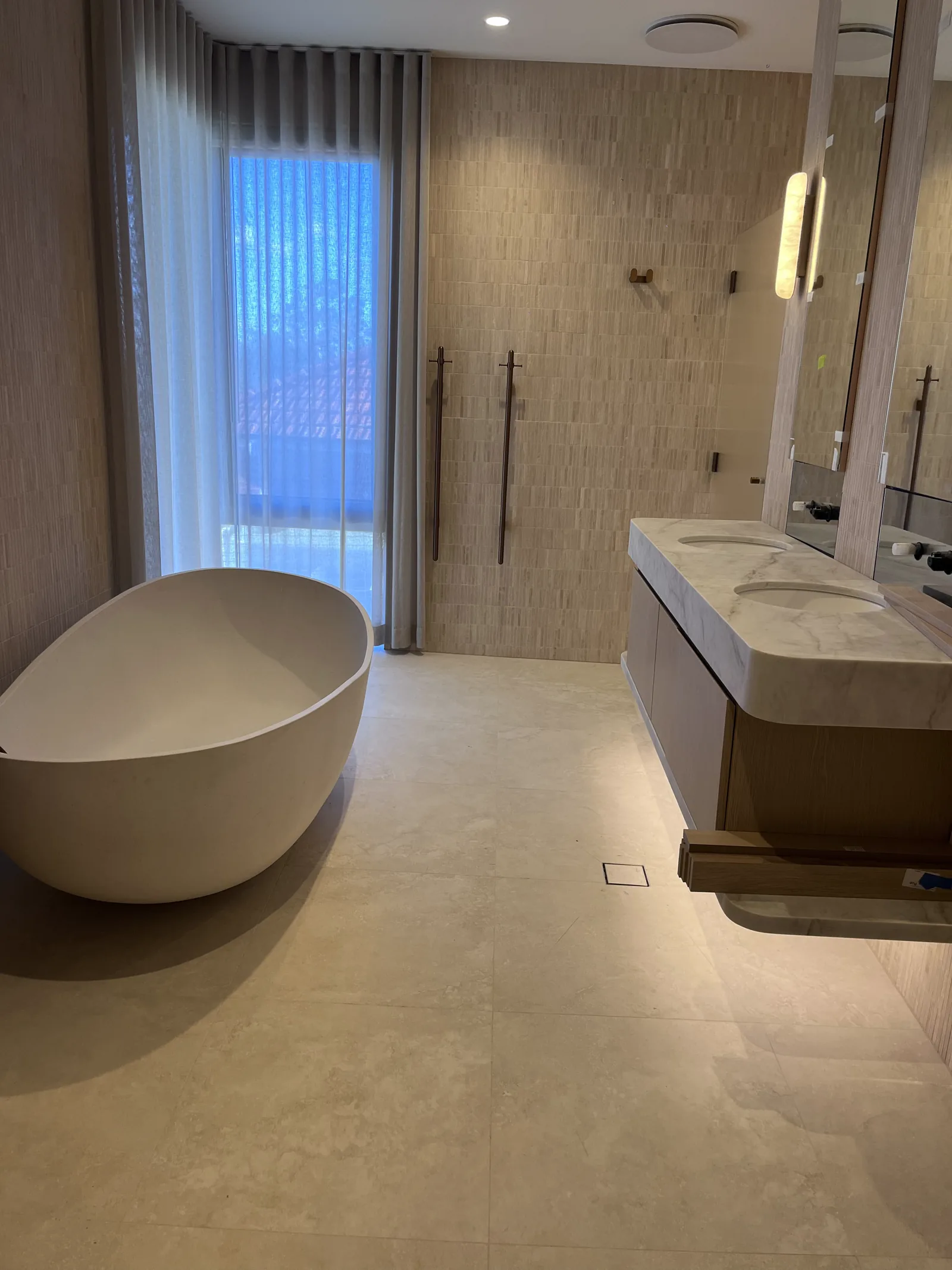
Bathroom Renovation Approvals in the ACT: A Decision Checklist
A bathroom renovation is not automatically exempt or automatically approval work. The answer depends on what changes, which building is involved and which regulated services are touched.
Tiling advice for Canberra homes
Clear, Australia-checked guidance on waterproofing, tile choices, preparation, repairs and the questions worth resolving before work begins.

A bathroom renovation is not automatically exempt or automatically approval work. The answer depends on what changes, which building is involved and which regulated services are touched.

Old ceramic tiles are not the only material disturbed during strip-out. Backing sheets, vinyl tiles, adhesives, patching compounds and nearby services can change a simple removal into regulated work.

A useful tile take-off separates net area, cutting allowance, box coverage and future spares instead of hiding them inside one guessed square-metre number.

Under-tile heating works as a coordinated floor system. The room plan, finished levels, waterproofing, electrical test points and curing dates need agreement before the cable is covered.

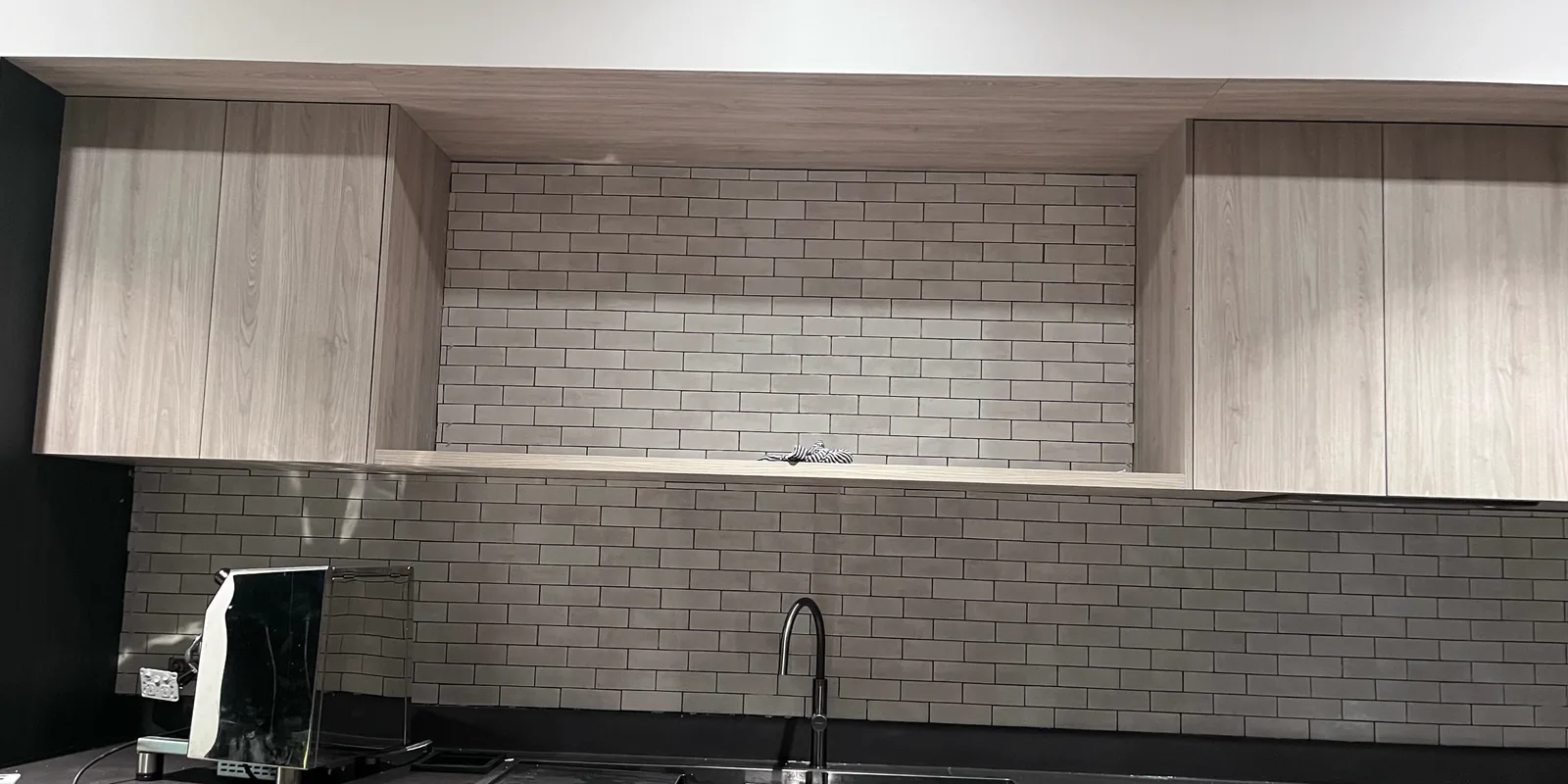
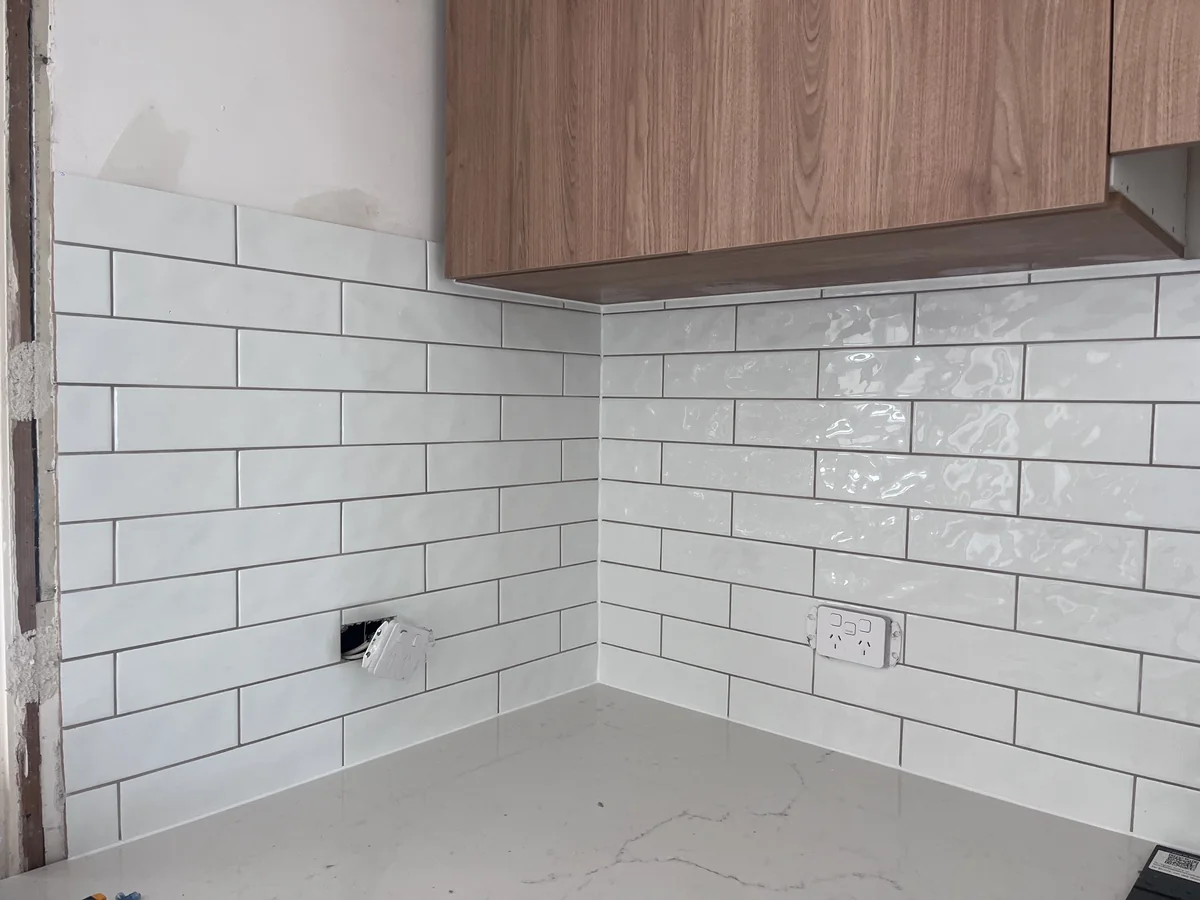
A splashback is compact, but every cut sits beside a straight cabinet, bench or power point, so the final set-out deserves an early decision.

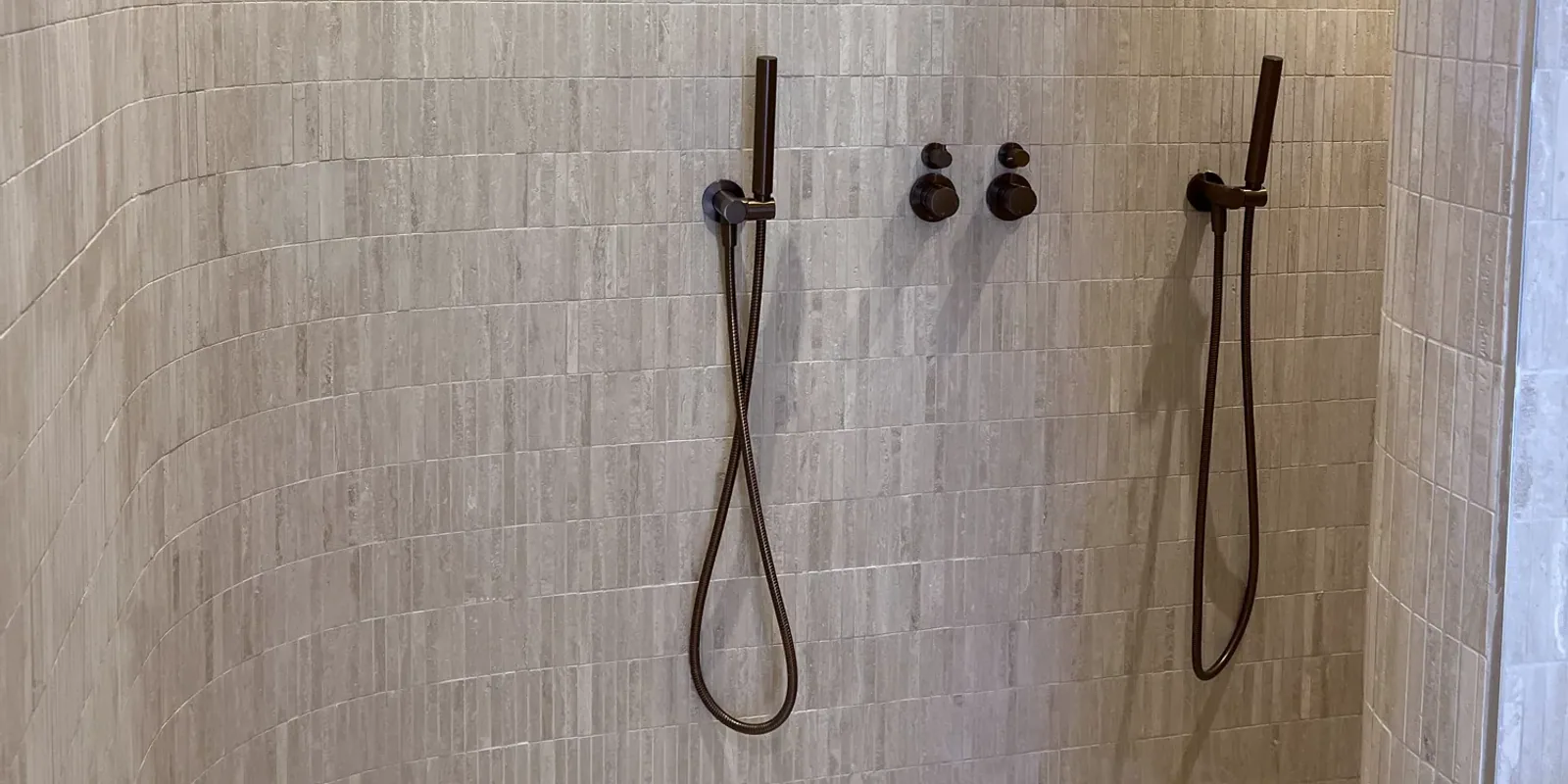
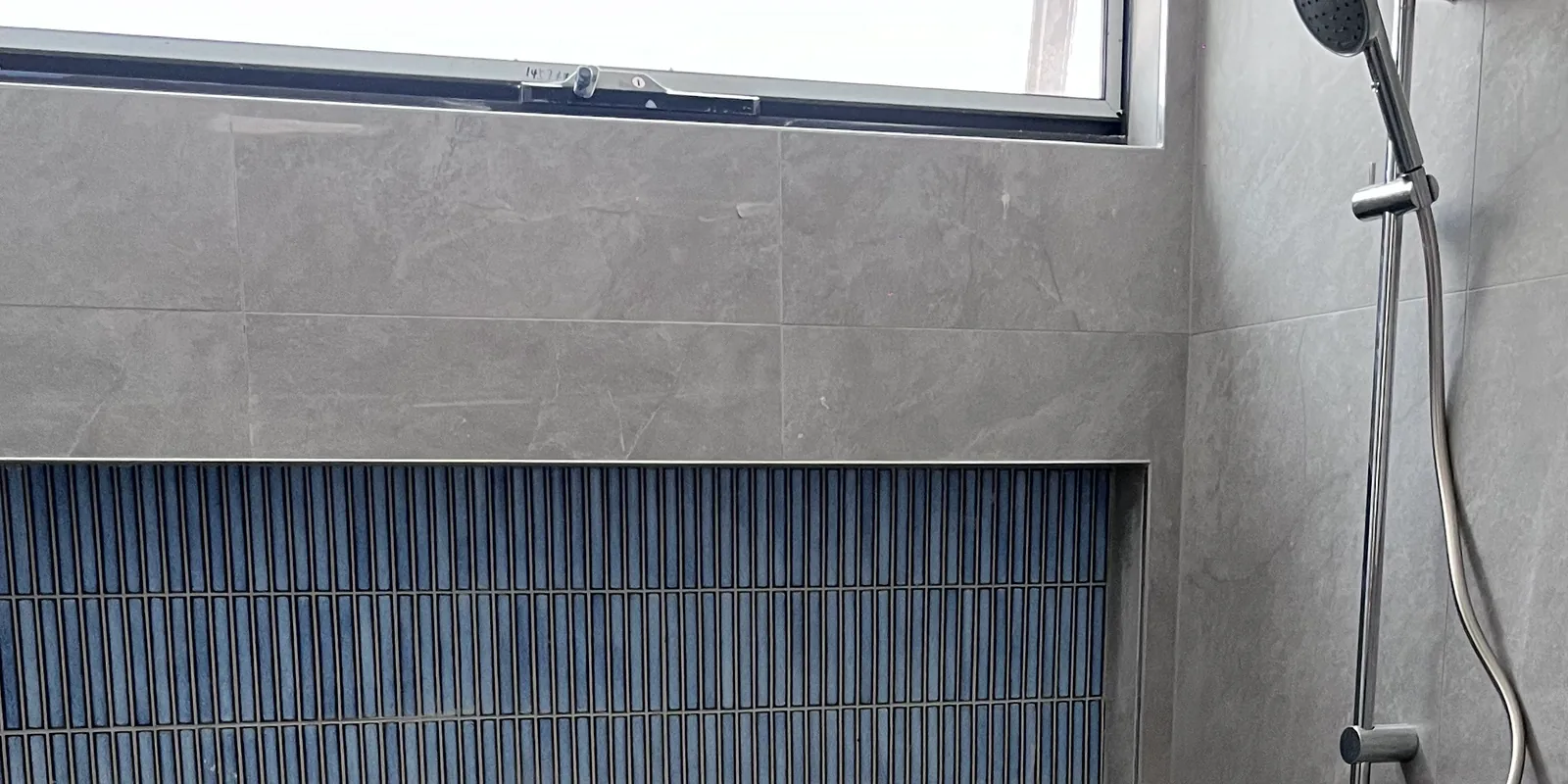
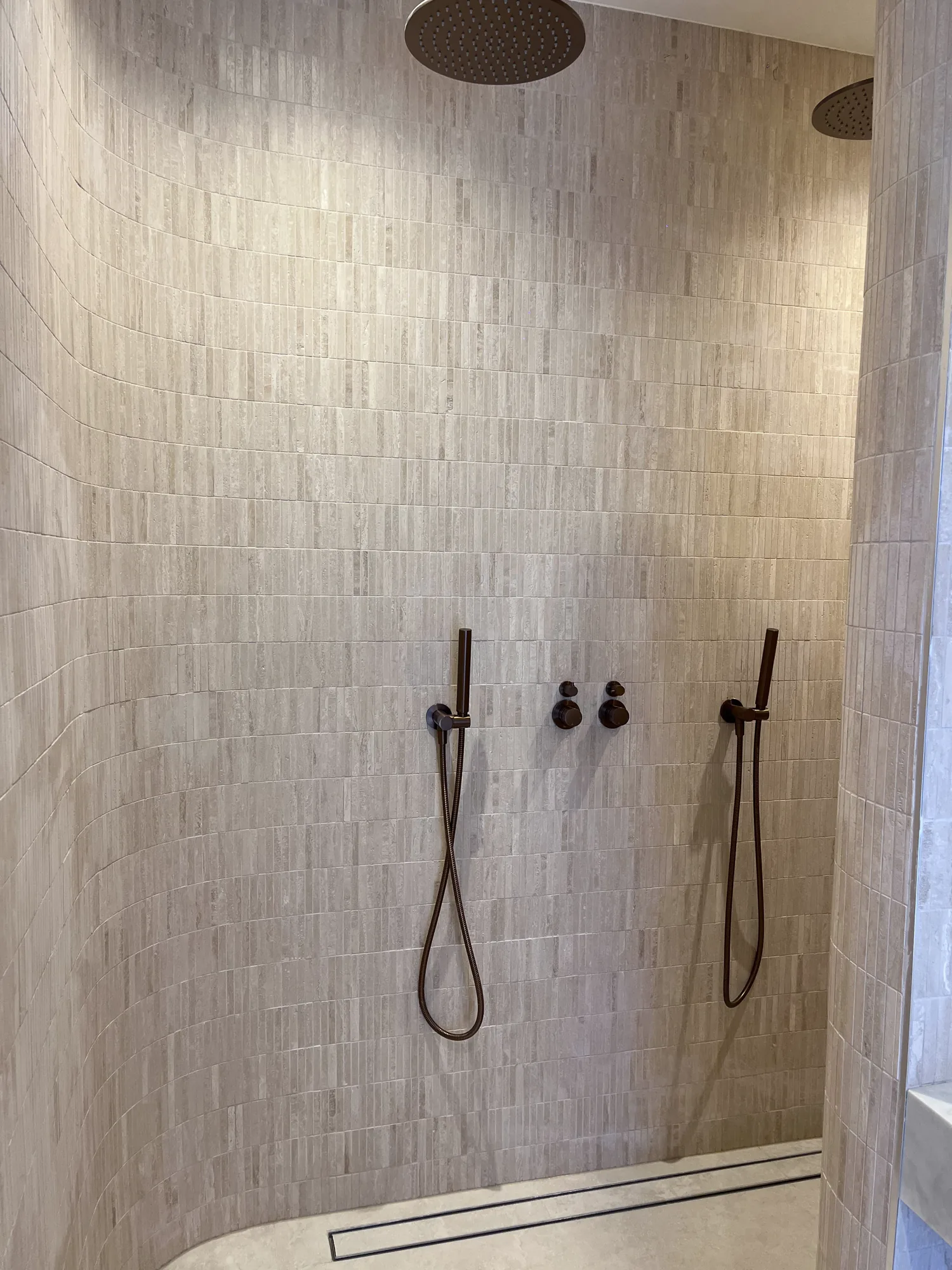
A niche combines framing, lining, waterproofing, drainage and highly visible tile cuts in one small part of the shower.

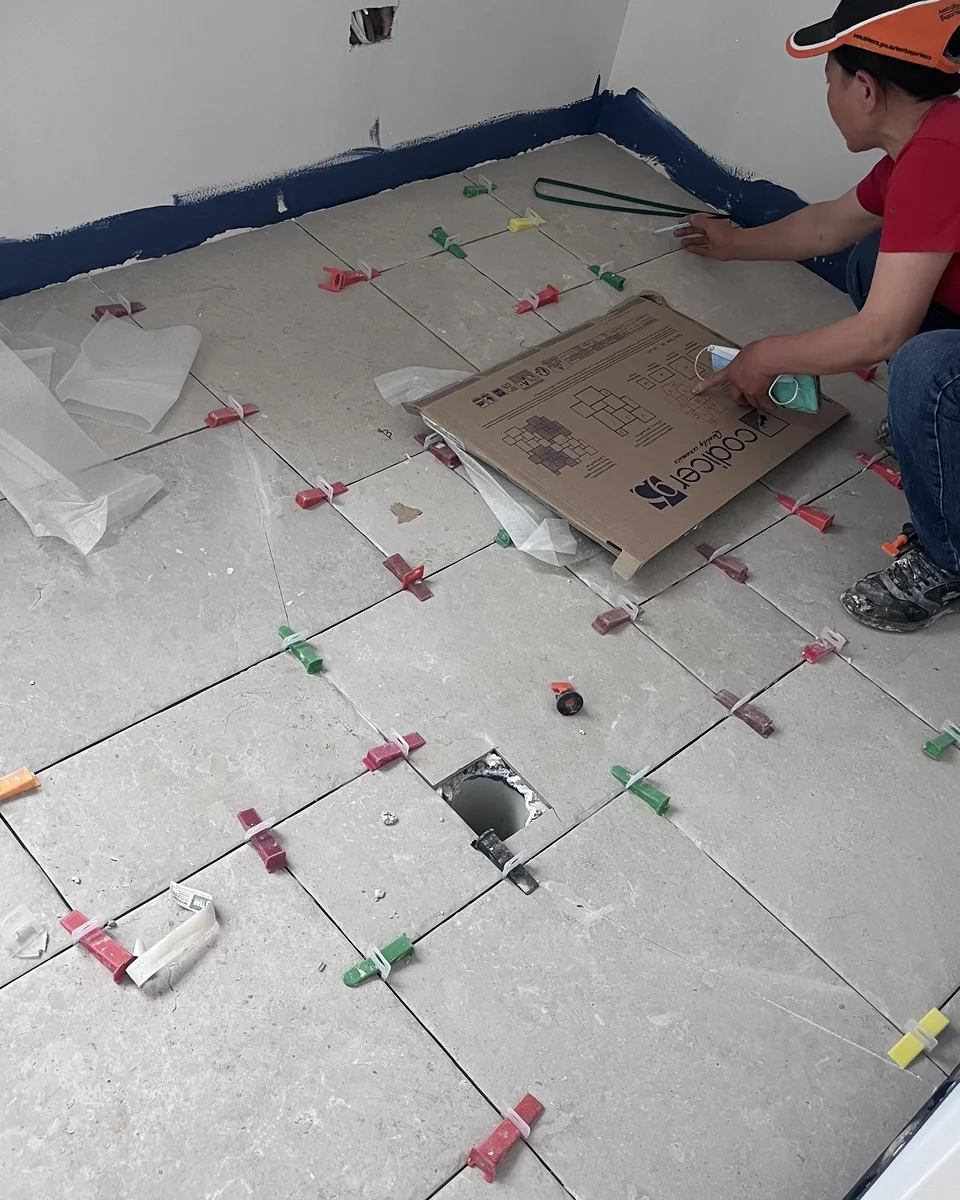
A good set-out explains not only where the first tile starts, but how joints, cuts and transitions behave across the whole room.

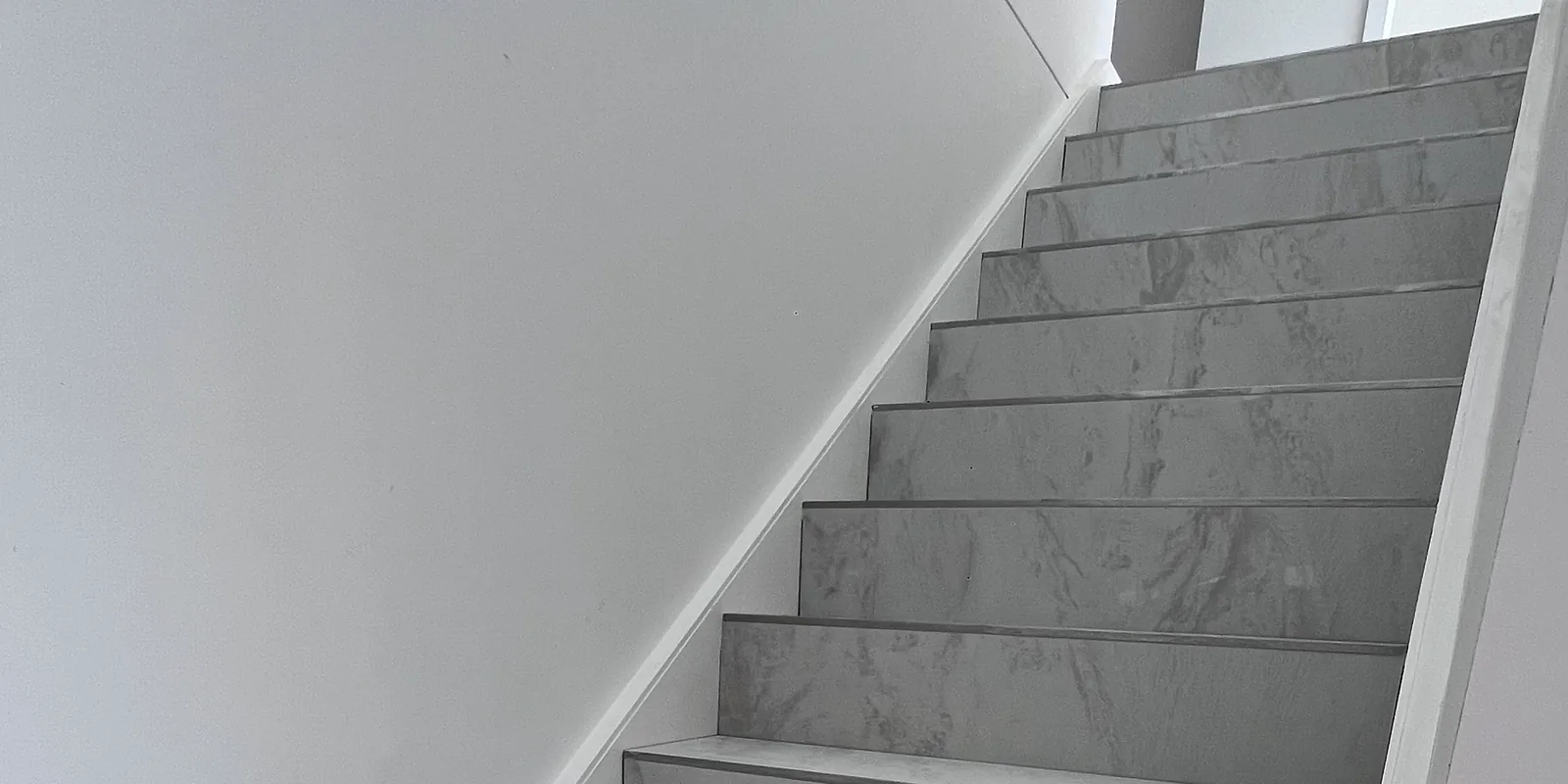
Stairs and thresholds turn tile thickness, edge details and finished levels into safety and coordination decisions, not just styling choices.

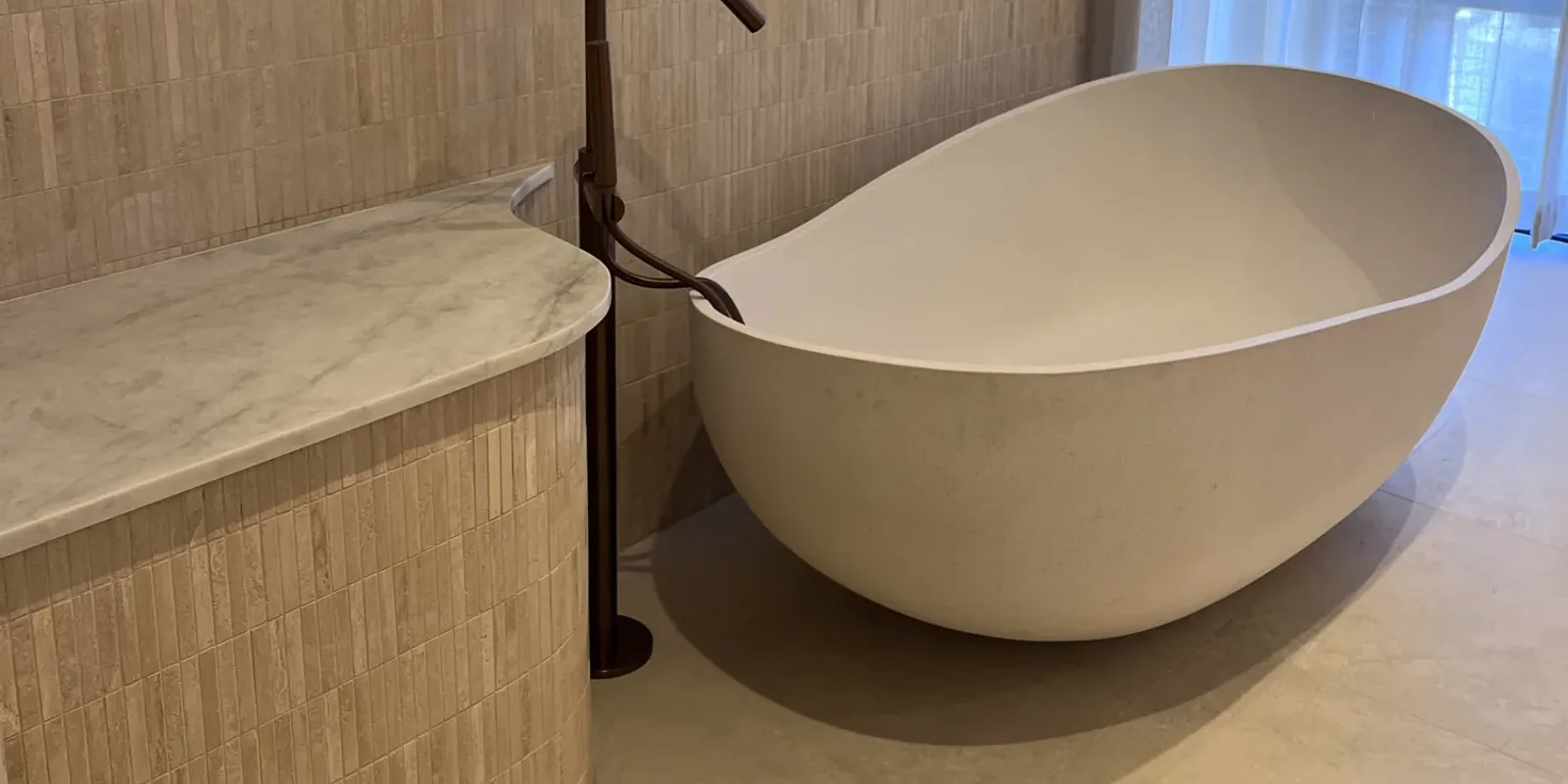
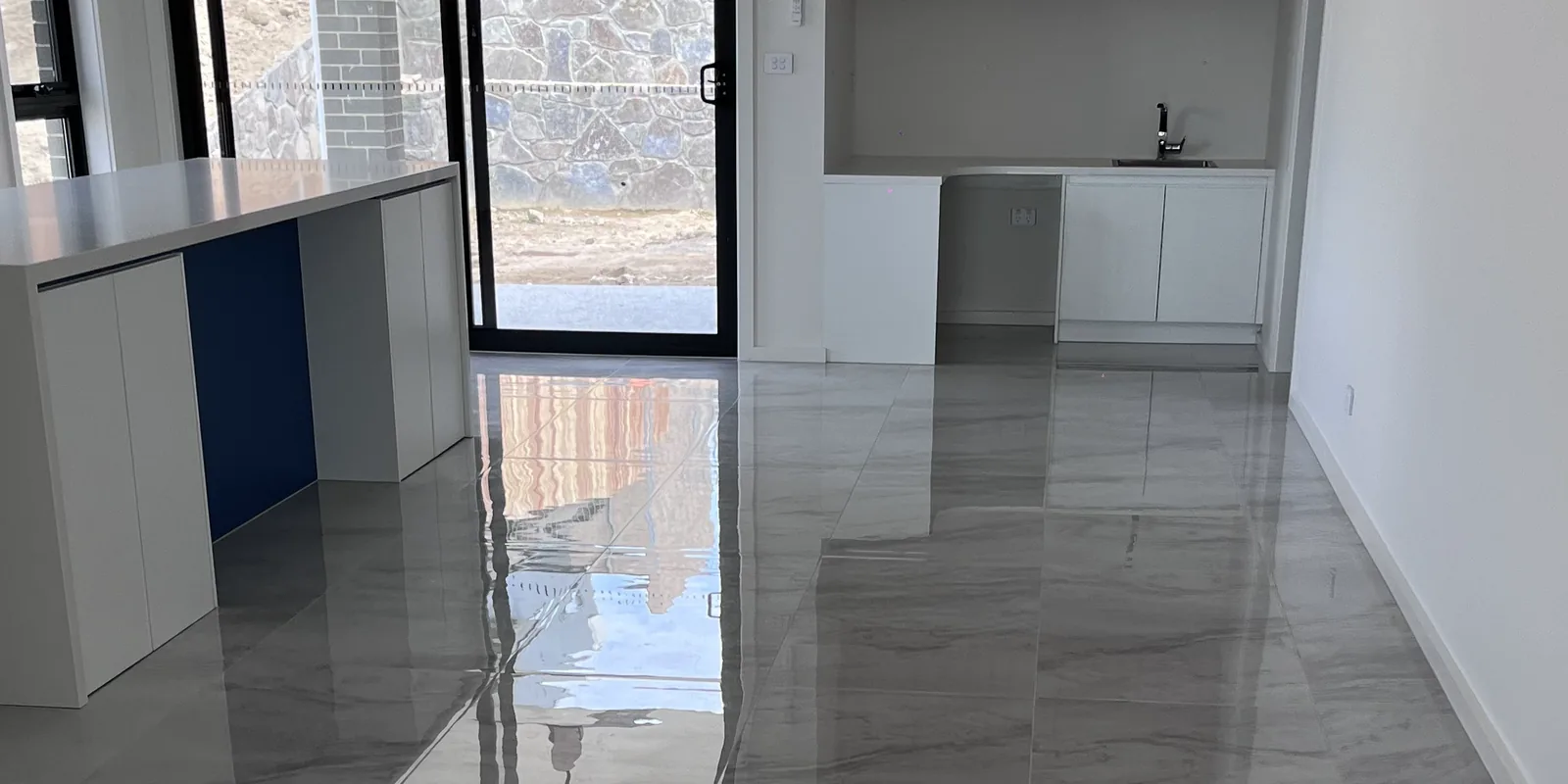
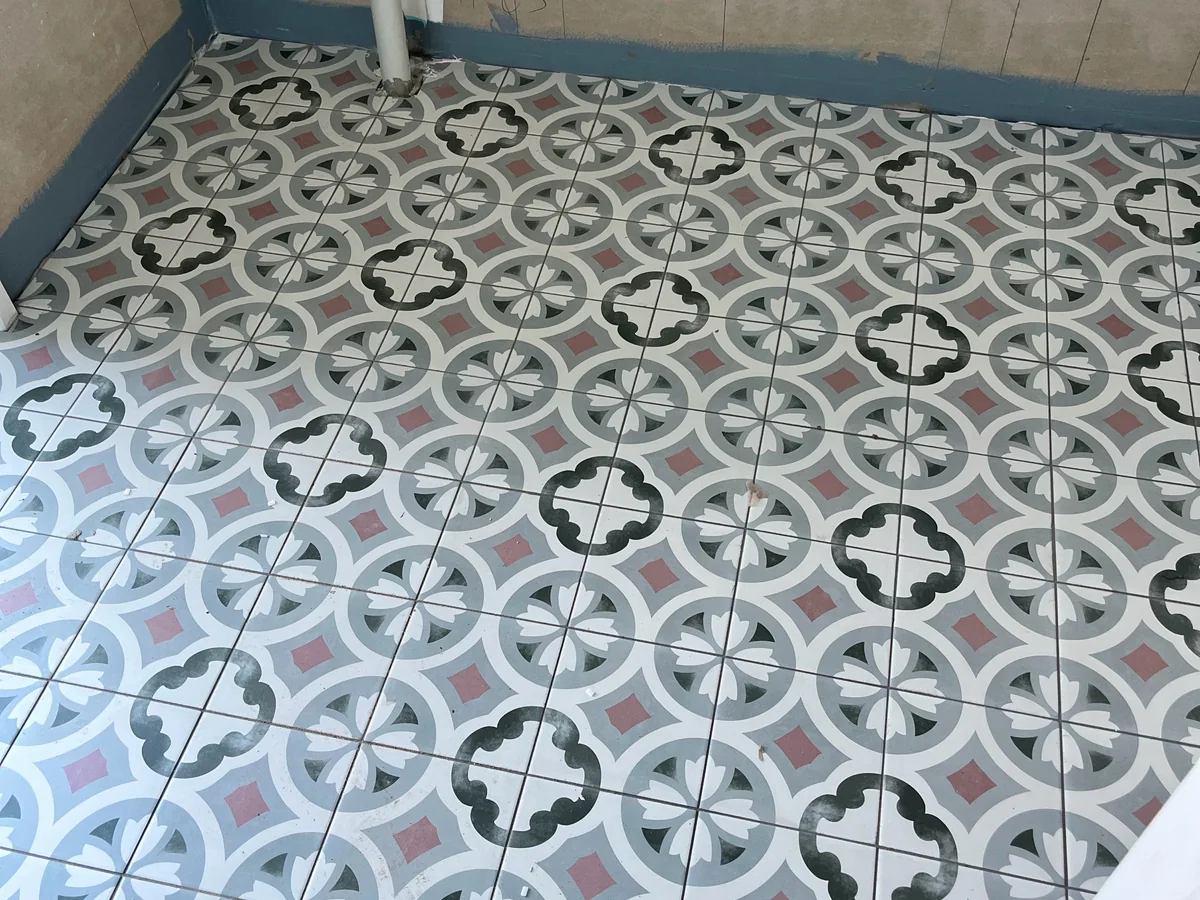
A bathroom floor tile must work with the room geometry and drainage plan; colour and format are only part of the decision.

Waterproofing and tiling sit in the middle of a chain of decisions, so changes made by earlier or later trades can affect the finished wet area.

Waterproofing is hidden after tiling, so the important decisions need to be made while the substrate, junctions and penetrations are still visible.

A useful first enquiry does not need architectural drawings, but it should help the tiler understand the location, surfaces, condition and finish you are considering.

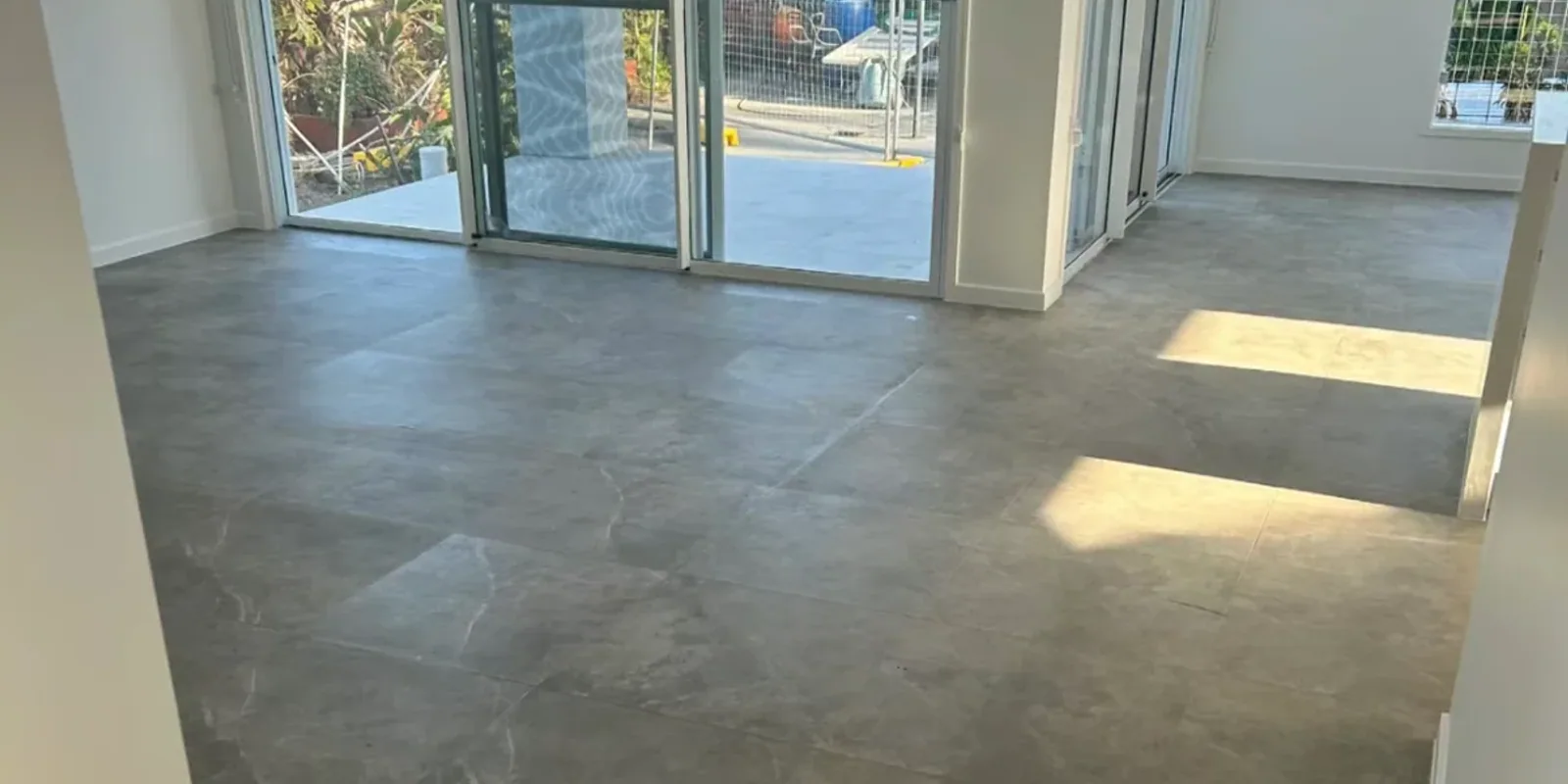
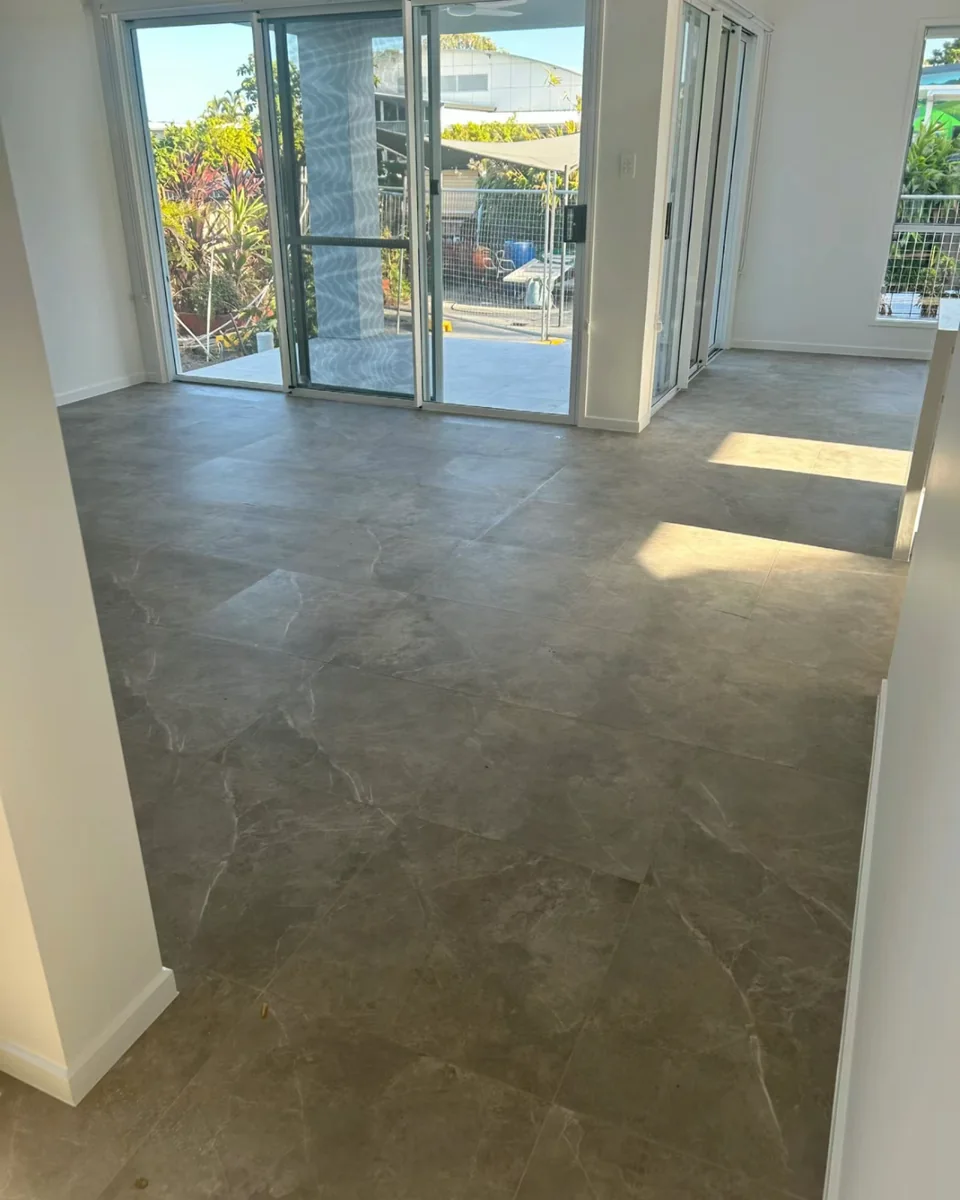
Large tiles can create a calm surface with fewer joints, but they make substrate, handling and layout decisions more important.

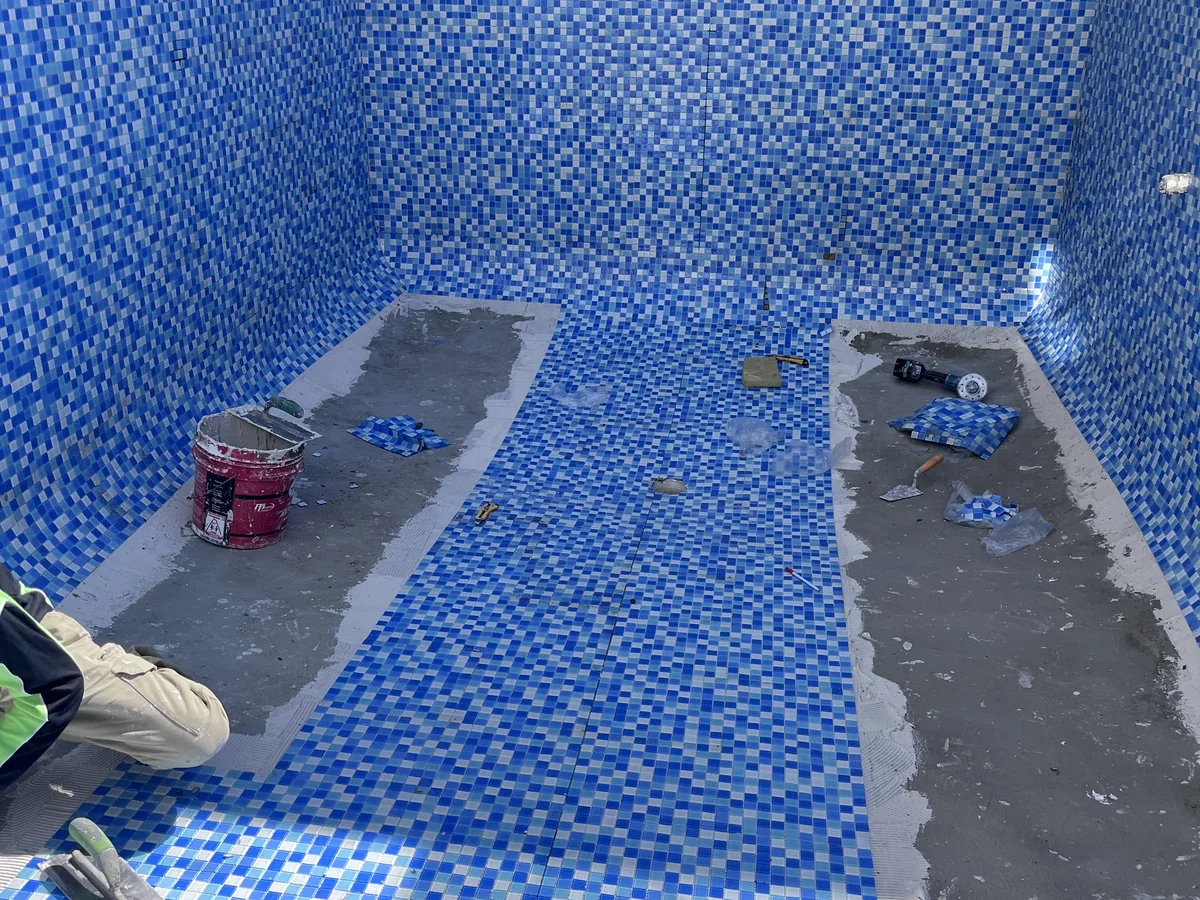
Canberra outdoor tiles face wet use, strong sun and seasonal temperature change, while pool interiors add permanent immersion and chemical exposure.

Porcelain is a type of ceramic tile, but a harder or denser product is not automatically the best choice for every wall, floor or renovation.

Cracked grout, mouldy silicone and a leaking shower can appear together, but they do not all have the same cause or repair.