Project planning
How to Prepare for a Tiling Quote in Canberra
A useful first enquiry does not need architectural drawings, but it should help the tiler understand the location, surfaces, condition and finish you are considering.
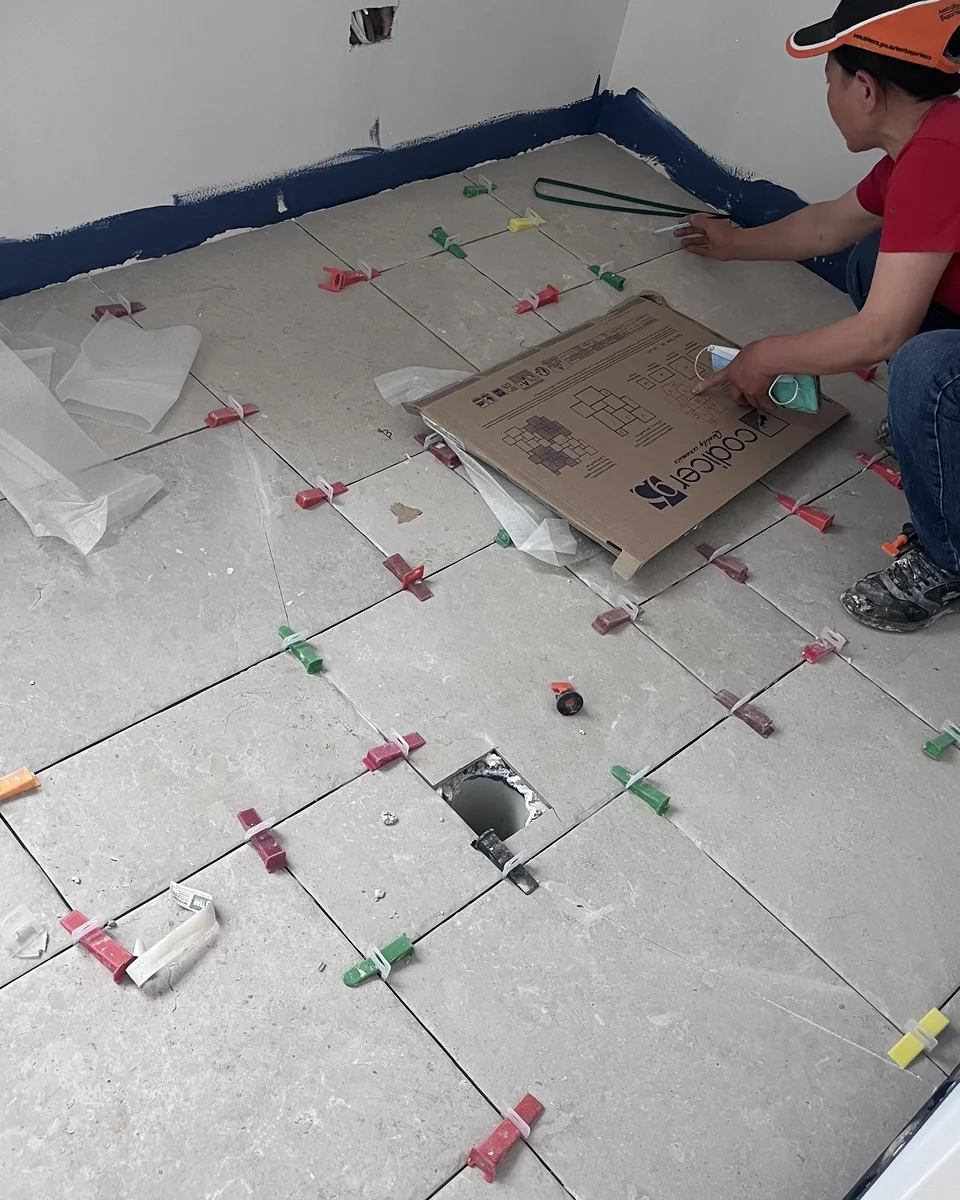
The fastest tiling enquiry is not necessarily the shortest message. A few useful details can help a contractor decide whether the job fits, what remains unknown and whether the next step should be more photos, product information or a site visit.
You do not need to solve the technical work yourself. The aim is to describe the project accurately enough that the first conversation starts in the right place.
Begin with location and project type
State the suburb and the type of property, then name the room or surface. “Bathroom in Belconnen” is more useful than “need tiles,” but “ensuite renovation in Belconnen, wall and floor tiles after demolition” is better again.
For the first enquiry, include:
- suburb;
- house, townhouse or apartment;
- bathroom, floor, splashback, pool, feature wall or repair;
- whether the area is existing, demolished, newly built or still being designed;
- whether the property is occupied during the work.
Access, parking, lift bookings or strata rules can affect how materials and waste move through a site, so mention them early.
Take both overview and detail photos
Close-ups show cracks and edges, but they do not show where the detail sits in the room. Wide photos show the room, but they may hide the defect. A helpful photo set includes both.
For each area, try to provide:
- a photo from the doorway or a far corner;
- the full wall or floor surface;
- close-ups of drains, corners, cracks, loose tiles or failed sealant;
- transitions to adjacent rooms or finishes;
- any difficult access route.
Do not remove finishes or disturb a wet area just to improve an enquiry photo. If there may be asbestos, electrical risk, active leakage or unstable material, pause and involve the appropriate professional.
Approximate dimensions are enough to start
An initial measurement does not need to replace a site measure. It helps establish scale. Record room length and width, approximate wall heights and the dimensions of any obvious tiled zones.
For a splashback, measure the length and height of each separate section. For a floor, note doorways, steps and adjoining surfaces. For a bathroom, list the shower, bath, vanity, niche and floor-waste arrangement.
Label measurements clearly and use one unit consistently. A simple sketch with arrows is often easier to understand than a long message containing unlabelled numbers.
Share the tile information you already have
Tile size and product type can affect set-out, cutting, handling and preparation. If you have selected a tile, send a product link or a photo of the box label rather than only a showroom name.
Useful details include:
- nominal and actual tile dimensions;
- ceramic, porcelain, mosaic, natural stone or cladding product;
- sheet size for mosaics;
- proposed pattern or orientation;
- trim or edge preference;
- whether the tiles have already been delivered;
- quantity and whether spare tiles are available.
If you have not chosen tiles, say so. It is better to keep the choice open than to imply a product is fixed when it is not.
Explain what other trades are doing
Tiling often connects with demolition, carpentry, plumbing, electrical work, cabinetry, glazing and painting. State which work is already arranged and which parts you expect the tiling quote to include.
For a bathroom, useful questions are:
- Who is removing the existing finishes?
- Who is responsible for the substrate and wall sheeting?
- Are plumbing fixture positions changing?
- Is waterproofing expected in the same scope?
- Who installs the shower screen and final fittings?
Clear boundaries reduce double-pricing and missing work.
For repairs, describe the history
A current photo cannot show when a crack appeared, whether a loose tile is getting worse or if a shower only leaks under certain conditions. Add a short timeline.
Mention:
- how long the issue has been visible;
- whether there is active moisture or staining elsewhere;
- previous repairs;
- whether spare matching tiles exist;
- whether movement, impact or plumbing work occurred nearby.
Avoid asking a contractor to guarantee a diagnosis from one image. Photos are a screening tool, not a substitute for inspecting concealed conditions.
A copy-and-send enquiry template
- Suburb and property type:
- Area of work:
- Current condition:
- Approximate dimensions:
- Tile selected or not yet selected:
- Other trades arranged:
- Preferred timing or access limits: Photos attached: overview, details and access.
This format gives enough structure without pretending every detail is already known.
Ready to request a quote?
Review the Canberra tiling services to identify the closest project type. LITA Tiling also provides a detailed project questionnaire for homeowners who already have room, material and site information ready to share.
Sources and further reading
- Choosing a tradesperson - Access Canberra
- Guidelines for representing your business on Google - Google Business Profile Help